Why I Started Using Doom Emacs
Update – 08/04/2025: A short reflection on why I chose Doom Emacs over other tools.
Intro
I wasn’t looking for a new text editor. I wasn’t looking for Emacs, or Vim, or anything remotely complex. All I wanted was a quiet space where I could write ideas down, take notes, and think. No flashy UI, no to-do lists screaming for attention, no daily notifications. Just keys and thoughts.
Somewhere in that search, I found Doom Emacs. And something about it just clicked. It was minimal, fast, and completely in my control. That’s exactly what I was missing.
Beginning Struggles
Getting started with Doom Emacs wasn’t easy. The install process was unfamiliar—terminal commands, configuration files, keybindings I’d never seen before. Coming from tools like VS Code or Apple Notes, it felt like stepping into a foreign language.
At first, even basic things like saving, switching files, or quitting took effort. I had to unlearn habits and look up commands constantly. But I didn’t give up. I kept using it because it felt like I was building something. A skill. A workflow. A mindset.
Progress
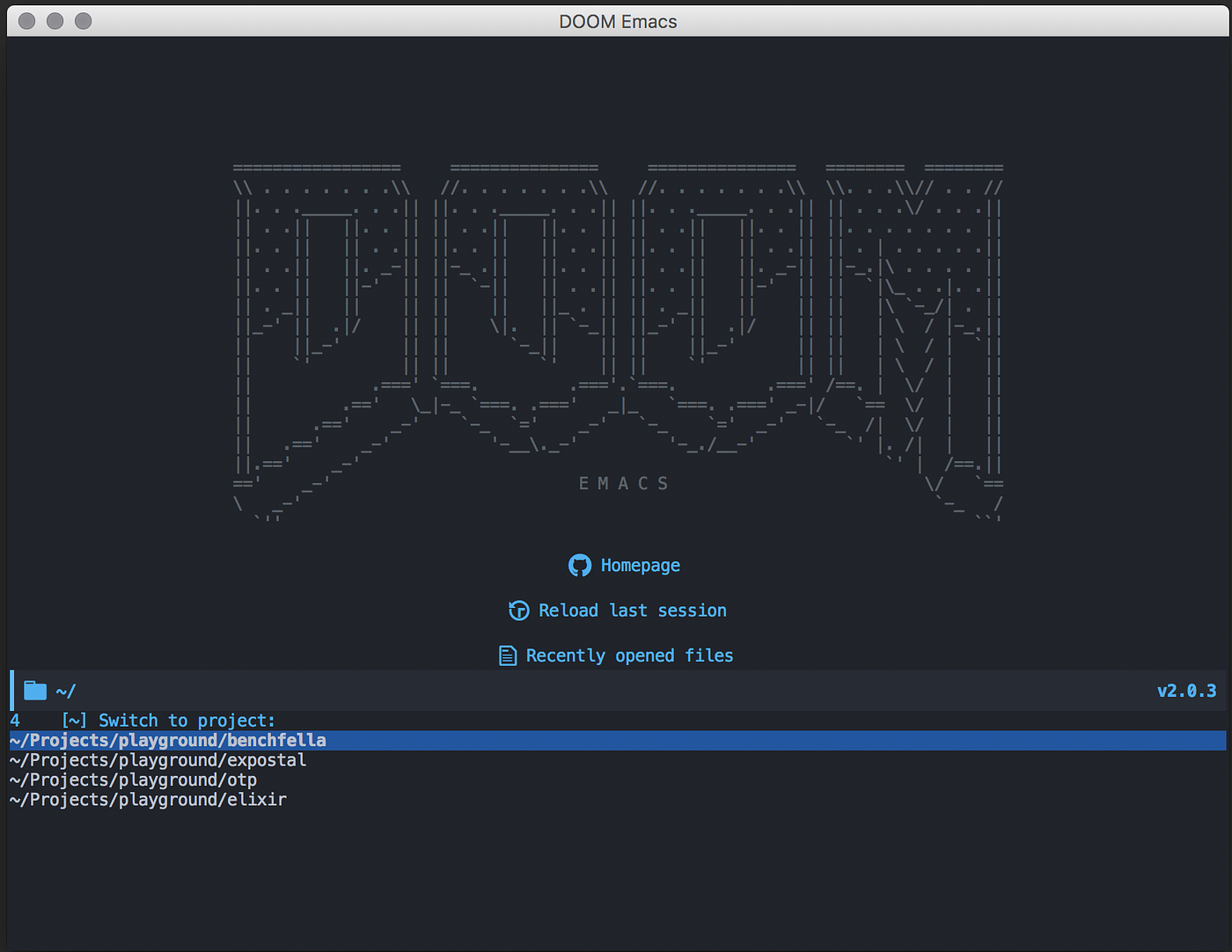
After a few weeks, things started to click. I memorized the basic keybindings. I customized my dashboard a little. I created a workflow with folders for each project. I stopped Googling “how to quit Emacs.” And I actually enjoyed opening it up.
Doom Emacs no longer feels like a tool I’m fighting with—it feels like a tool that’s teaching me something. And the more I use it, the better it fits.
Why Doom Emacs?
Doom Emacs is opinionated, but still yours. It gives you a strong starting point, but you decide what stays. I didn’t need calendar integrations or habit trackers. I didn’t want a full productivity system. I just wanted to open a file and write. Doom let me do that—without distractions.
It’s fast. It’s keyboard-based. And the learning curve makes it feel like you’re gaining actual skill. Unlike most modern apps, Doom Emacs doesn’t assume anything. You shape it. You fight with it a bit. And then, you start flowing.
What I Use It For
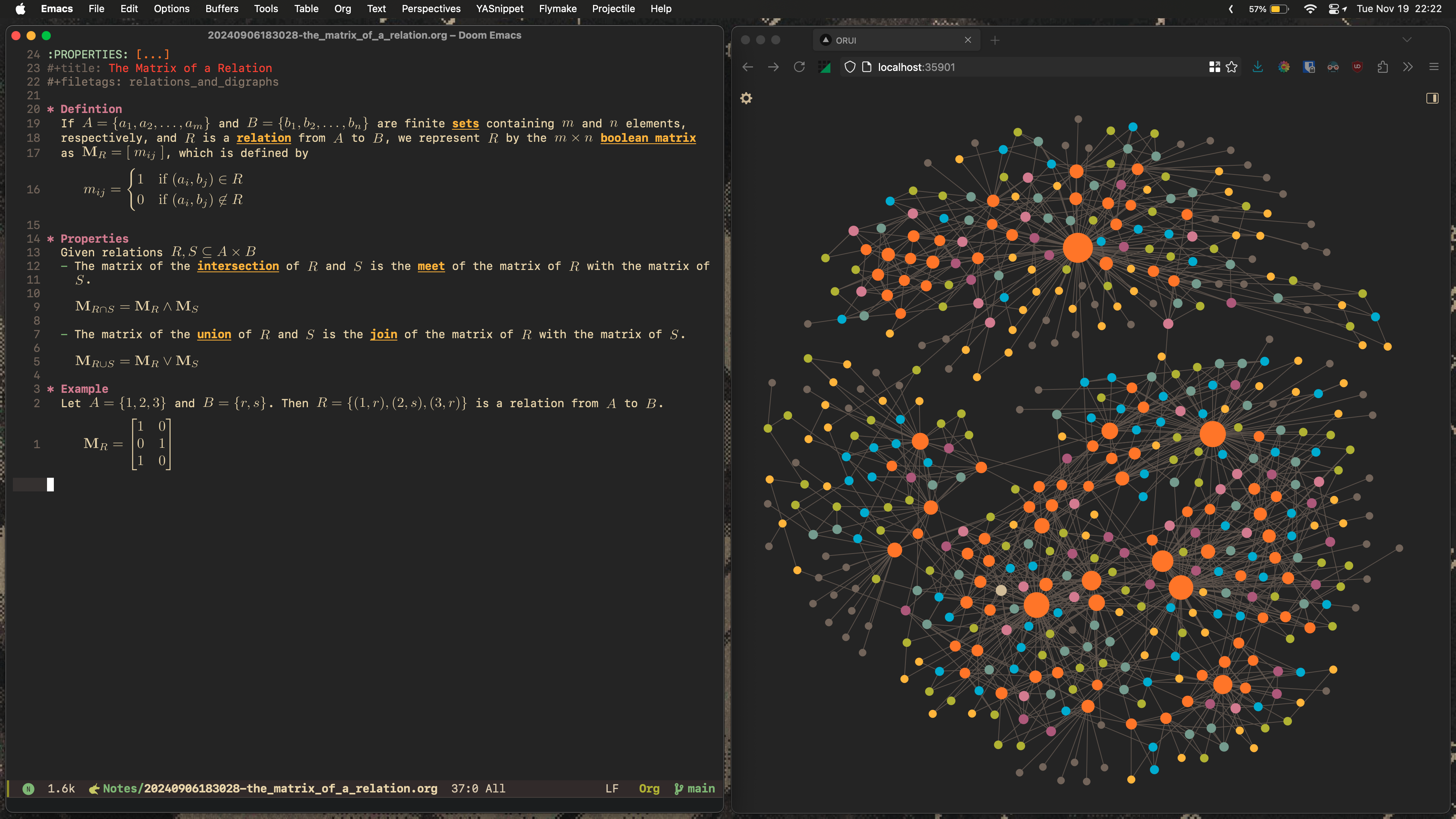
Right now, I use Doom Emacs for note-taking and brainstorming project ideas. But it didn’t stop there. I also started using it at work—for tracking incoming calls, planning my day, and managing my personal to-do lists.
Outside of work, I use it to track my marathon training progress and write down small goals or reflections after each run. It became a kind of quiet control center for my daily life—one that doesn’t distract, only supports.
To keep everything accessible, I sync my notes folder via Dropbox. That way, I can open and edit the same notes across my Windows machine, MacBook, and even my iPhone with a plain text editor. No lock-in, no limits.
Value
The biggest value Doom Emacs brings me is focus. It doesn’t try to motivate me, distract me, or manage my time. It just sits there, waiting for input. And in a world of constant noise, that silence feels like a superpower.
There’s also satisfaction in learning something that doesn’t try to be easy. Every keybinding I remember, every tweak I make, feels earned. I like that.
Final Thoughts
Doom Emacs isn’t for everyone. But for me, it’s a clean slate. A stripped-down, brutally fast environment that respects my attention. I don’t need it to be perfect. I just need it to be mine. And it is.
— Maico Minne. Written 28/03/2025